

What Makes Corteiz Clothing’s Identity So Hard to Replicate?
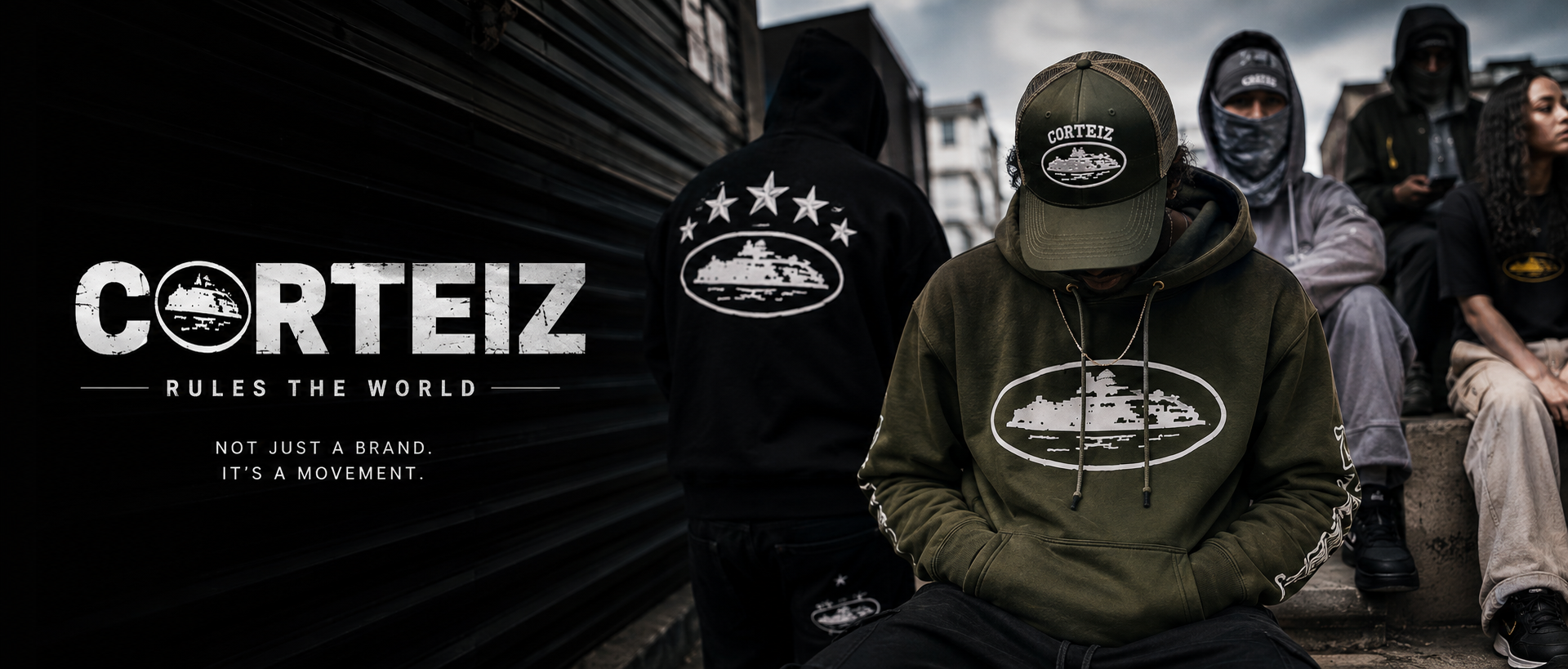
Some streetwear labels become recognizable because of a logo, a signature silhouette, or a famous collaboration. Others build something harder to define: a sense of belonging that makes the clothing feel like part of a wider culture. Corteiz belongs in the latter category. Its identity has grown through visual consistency, scarcity, community participation, cultural references, and a willingness to communicate differently from conventional fashion brands. That combination makes imitation surprisingly difficult. A competitor can reproduce a similar hoodie, print, or color palette, but copying the feeling surrounding a release is another matter entirely. The appeal comes from how the pieces, the messaging, the audience, and the moments around the brand reinforce one another. Understanding that distinction explains why its influence extends beyond individual garments and why its identity remains difficult to recreate in an increasingly crowded streetwear market.
Corteiz Starts With a Clear Point of View
A strong streetwear identity begins with knowing what the brand represents. Corteiz has developed a recognizable personality that feels rooted in urban culture rather than conventional luxury fashion. Its clothing often communicates confidence, independence, and a sense of belonging without needing an elaborate explanation.
That clarity matters because consumers quickly recognize when a brand has a consistent worldview. The clothing becomes an extension of that attitude. Even when individual designs change, the broader character remains familiar. This gives the label flexibility without making it feel directionless.
Competitors can study successful designs, but a visual style alone cannot provide the same foundation. Identity comes from repeated decisions about language, imagery, product presentation, and audience. When those decisions consistently point in the same direction, recognition becomes almost instinctive.
The Corteiz Visual Language Does More Than Sell Clothes
The visual side of Corteiz is another major part of its identity. The Corteiz Logo is simple enough to be recognizable while remaining closely connected to the wider aesthetic of the label. It can function as a small mark on clothing or as a stronger visual element in campaign material.
That consistency creates familiarity. A person scrolling through streetwear content may recognize the visual language before consciously reading the brand name. This is particularly valuable in social media environments where attention is brief, and images often communicate faster than words.
The lesson for competitors is straightforward: copying a symbol does not reproduce the design system surrounding it. Typography, photography, styling, color choices, product placement, and tone all contribute to recognition. Remove those supporting elements, and the imitation often feels like a copy rather than an authentic continuation of the original identity.
Community Turns Clothing Into Participation
Perhaps the hardest element to manufacture is community. Corteiz has benefited from an audience that does more than passively purchase clothing. Fans discuss releases, share outfits, react to cultural moments, and give products meaning through their own participation.
That creates a feedback loop. The brand releases something, the community responds, and that response becomes part of the next wave of attention. A simple garment can therefore become connected to conversations, memories, and social experiences.
Imagine someone wearing a Sudadera Corteiz at a casual gathering. The garment may start a conversation not because the sweatshirt itself is technically complicated, but because another person understands what the label represents. That shared recognition gives the product social value that cannot be manufactured overnight.
Scarcity Changes How People Perceive Products
Limited availability can alter the emotional experience of buying streetwear. When a product is not constantly available, consumers may pay closer attention to releases and remember particular drops more clearly.
Corteiz has built much of its appeal around this relationship between availability and anticipation. Scarcity, when handled carefully, can make a product feel connected to a particular moment rather than simply another item sitting on a permanent retail shelf.
This also explains why copying a product does not necessarily copy its demand. Another brand might produce a similar hoodie in similar colors, but if customers know that the original represents a specific release culture, the substitute lacks the same story. The perceived value comes partly from the circumstances surrounding the purchase.
Collaborations Create Cultural Moments
Collaborations can introduce a streetwear label to new audiences, but the most effective partnerships feel like cultural events rather than ordinary product extensions. The Nike x Corteiz relationship became especially notable because it connected an established sportswear giant with a label possessing a strong independent identity.
Searches for terms such as Nike corteiz or Air Max 95 Corteiz show how collaboration language can become part of wider consumer conversations. The important point is not simply the presence of a famous partner. It is the tension between two different brand worlds and the attention created when they meet.
A collaboration works best when neither side completely disappears. The partnership gives consumers something familiar and something unexpected at the same time. That balance is difficult to reproduce because it depends on timing, credibility, design decisions, and cultural context.
Corteiz Maintains Identity Across Different Products
A recognizable brand should not depend on one specific garment. The stronger test is whether its identity survives when the product changes. Corteiz demonstrates this principle through different categories of streetwear, from casual tops to coordinated outfits.
A Conjunto Corteiz, for example, can create a complete look without relying on excessive decoration. The consistency of branding and styling allows separate pieces to feel connected. This creates a visual language that can move across products while remaining recognizable.
That adaptability is important because streetwear consumers do not always dress according to one fixed formula. They mix sneakers, trousers, outerwear, and casual basics according to their own preferences. A successful identity leaves enough room for individual expression while still making the source recognizable.
Search Variations Reveal How People Talk About Brands
Online fashion conversations rarely follow perfect spelling. People may type Cortez, Corteix, CRTZ, or Corteis while searching for information, discussing products, or trying to identify a label. These variations should not automatically be treated as official names or separate product lines.
What matters is that brand recognition increasingly exists across informal digital language. People do not always discuss fashion using formal terminology. They use shortcuts, nicknames, spellings, and social-media phrasing.
That environment makes cultural familiarity valuable. A brand that has become part of online conversation can remain recognizable even when the surrounding language is imperfect. Competitors can optimize product descriptions and advertising, but they cannot easily manufacture years of organic recognition and audience vocabulary.
Cultural Positioning Gives the Brand More Meaning
Streetwear has always been connected to music, sport, neighborhoods, youth culture, and everyday social life. The strongest labels understand that clothing does not exist separately from those environments.
Corteiz has positioned itself within that wider cultural space rather than presenting every garment as an isolated fashion object. As a result, its clothing can feel relevant because of where and how people wear it, not merely because of its construction.
This is also why cultural relevance cannot be copied through a marketing campaign alone. A competitor might imitate the imagery associated with urban fashion, but audiences can usually sense when the connection feels manufactured. Authentic positioning develops through repeated interaction with the culture a brand wants to represent.
Why Product Copying Is Easier Than Identity Copying
Fashion competitors can reproduce many visible elements. A similar hoodie shape, comparable graphic, matching color combination, or familiar sneaker partnership can all be produced. The difficult part is recreating the network of associations behind those elements.
A successful streetwear identity combines product design with scarcity, storytelling, community behavior, visual consistency, and cultural timing. Each component strengthens the others. Remove one, and the entire experience changes.
That is why imitation often feels superficial. The outside may look familiar, but the emotional and cultural context is missing. Consumers are not only buying fabric and graphics. They are buying into a recognizable story and, in some cases, a sense of participation in something larger than the garment itself.
The Real Advantage Is Consistency Over Time
The most difficult identity to replicate is one that has been reinforced repeatedly. Corteiz has maintained recognizable ideas across products, campaigns, collaborations, and community interactions, allowing individual moments to accumulate into a larger reputation.
Consistency does not mean every release must look identical. It means the audience should be able to recognize the underlying personality when the design changes. That distinction allows a brand to evolve without losing its character.
For competitors, this creates the central challenge. Copying a successful release can happen quickly. Building the trust, anticipation, cultural associations, and community response surrounding years of consistent branding takes much longer. Identity is ultimately an accumulated asset, not a single design decision.
Frequently Asked Questions
What makes Corteiz different from ordinary streetwear brands?
Its difference lies in the relationship between clothing and culture. The products are supported by recognizable visual branding, limited-release energy, community participation, and collaborations that create conversation beyond the garments themselves.
Why is the Corteiz Logo so recognizable?
Recognition comes from repetition and context. The mark appears within a broader visual system, so audiences learn to associate it with a particular attitude, styling approach, and streetwear culture rather than seeing it as an isolated graphic.
Do collaborations make a streetwear brand harder to copy?
They can, especially when collaborations feel culturally relevant rather than purely commercial. A partnership brings together audiences, design languages, and timing that competitors cannot simply reproduce after seeing the final product.
Why do people search for names like Cortez or Corteis?
Online users frequently make spelling variations when searching for brands. Such terms can appear in casual conversations or search queries, but they should not automatically be interpreted as official brand names.
Can another brand build a similar identity?
Another brand can create a strong identity, but directly reproducing an established one is much harder. Authentic community relationships, cultural credibility, consistent communication, and accumulated history cannot be copied as easily as a garment design.
Corteiz’s difficult-to-replicate identity is not built around one hoodie, one logo, or one successful collaboration. Its strength comes from the way multiple elements reinforce one another. Visual consistency creates recognition, scarcity creates anticipation, community gives products social meaning, and collaborations place the brand inside larger cultural conversations. Just as importantly, the identity leaves room for consumers to participate and interpret the clothing through their own style.
That is the real distinction between copying fashion and building a fashion culture. A competitor can reproduce visible details within weeks, but reproducing the relationships, memories, conversations, and credibility surrounding an established streetwear community is far more complicated. In streetwear, the garment may be what people wear, but the culture around it is what makes the identity difficult to imitate.